
Digital wellbeing and online safety
About Martine Oglethorpe
Martine Oglethorpe is a digital wellbeing and online safety educator, speaker and writer. She is mother to 5 boys and has a background in Secondary education and has a Masters in Counselling. With over 10 years experience in the digital parenting space, Martine is passionate about the role technology plays in the lives of families, in our schools and in our workplaces.
Martine has been helping people navigate the challenges of the digital world and avoid the pitfalls it presents, whilst at the same time helping them to reap the many benefits of a connected world and thrive in this environment.
She has presented her presentations, workshops and webinars all over Australia and the world.
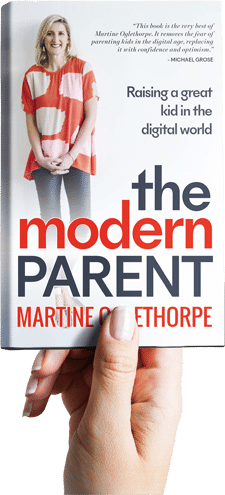
The Modern Parent book is here!
If you’re a parent in this digital age, then it’s likely the following rings true for you:
- You want your kids to feel safe and in control of their digital world.
- You want them to be able to navigate the risks in that world with confidence.
- You want them to grow, thrive, connect, create and collaborate despite those risks.
You’re also aware that to achieve the above, you need to be proactive in understanding the digital world a bit better yourself.
Martine Oglethorpe has spent 10 years staying abreast of technology changes while keeping one foot firmly grounded in an understanding of the things that make families strong. She skillfully combines her professional expertise with the lived experience gained by guiding her own children down the pathway to being skilled, savvy digital citizens.
In the pages of this book lies the blueprint for parenting kids in the digital age. It shares how to be engaged in the digital lives of your children without being overbearing or burdensome; to know when to tread lightly as a parent and when care and caution need to be taken.

Parents
Giving parents the knowledge, understanding & perspective to understand the challenges faced by young people today. And to provide realistic strategies to help their families incorporate the technology in healthy and positive ways

Schools
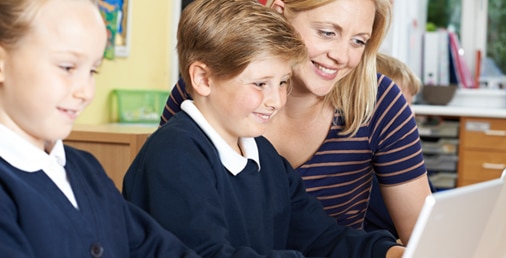
Giving students the critical thinking, understanding and skills to make the best decisions regarding their use of screens, devices, gaming and social media.
Workplace
Helping workplaces, community and government organisations work more effectively with technology and the digital world for greater productivity, organisation and wellbeing.
- Trainer
- Educator
- Mentor
Digital Wellbeing and Online Safety
I am passionate about parents having a solid understanding of the challenges faced by their kids.
This means arming them with knowledge and perspective.
I firmly believe that as parents we need to stay up to date with the sorts of things our kids are doing and the technology they are using, in order to stay relevant to them, so that we are the person they turn to should things go wrong.
Testimonials
“Martine’s presentation was so well received by our parent body. They found the seminar so practical and helpful in understanding how to both educate their child and help them develop a critical awareness of their behaviour online.”
Katrina Morrow
Head of Wellbeing, Ivanhoe Girls Grammar, 2019
“It was fantastic having Martine support our whole community in developing their knowledge to utilise technology in a safe environment. Martine connected with all our student community (Foundation through to Grade 6), our staff and parent community.”
Leigh Symons
Deputy Principal, St Josephs College, Benalla, 2019
“Thanks again for an excellent presentation. The staff and parents who attended are still talking about it this week. We found it so valuable and, in particular, very practical. We have recommended your presentation to our local schools.”
Tracy Skiba
Assistant Principal, Toorak PS, 2018
Testimonial for Martine’s Parent Session – ‘Being Safe and Smart in the Digital World’
Martine spoke at our school recently, sharing her knowledge and practical information with parents so that they can assist in keeping their children safe and smart in the ever-changing digital world. She explored the reality of the positive and negative uses and aspects of the digital world, speaking about it in terms of consumerism, communication and creativity. Her advice regarding social media and device usage was not about how much time is right for each age group, but more importantly, about being prepared, setting up guidelines at an early age and open conversations, rather than trying to catch up as children get older. Martine shared some options for being practically safe on different devices and offered the ability to keep in touch with her as an expert mentor in this field, via her website. This was most reassuring for parents.
Martine shared current knowledge and data. She was engaging and answered questions posed by parents from the dual perspective of parent and professional educator. The members of our school community who attended have spoken most positively about Martine’s session.
Angela Lacey
Principal (July 2016)
“As part of our week long series of workshops for parents, students and teachers on digital citizenship, Martine provided a presentation on a range of practical strategies for parents on how to navigate the world of technology with their children. Martine encouraged parents to talk regularly with their children about digital issues, and recommended the early implementation of rules and boundaries. The feedback was extremely positive from parents.
As a non tech-savvy parent with a very tech-savvy almost 10 year old, I am personally walking in a mind field on a daily basis. Martine’s presentation not only provided a depth of understanding about the IT world that our children today are living in, but some fantastic strategies (many of which I have since implemented) to help manage and ‘control’ their involvement in a way that also allows them to expand their knowledge base (and to some degree my own!).’ Thank you so much for a great presentation!”
Julie Sengelman
Executive Officer APFACTS
APFACTS is the peak non-government school parent voice for the ACT, proudly built by parents for parents to have an active voice in education issues.
“Martine presented at our ‘Grandparents as Primary Carers’ Group. She presented on her blog “The Modern Parent”. This group meets monthly to share experiences as Grandparents who are the primary carers of their grandchildren, to receive relevant information that may assist their parenting issues and to offer support to each other. Martine was Professional and approachable in her demeanour and provided the group with much valuable information. She provided the group with information and advice concerning modern parenting and shared with the group through her professional training as a teacher and counsellor and through her everyday experiences as a mother of 5. I have no hesitation in recommending Martine for any similar presentations.”
Amy Street
Grandparents Group Convenor, Taskforce
www.taskforce.org.au
“Martine I cannot thank you enough for all the work you put in to help Tim* and ultimately myself and my family. Your no no-nonsense approach and empathic nature combined to provide just the right person to help us. I know how much Tim respected you and as a result we have seen great changes in both his behaviour and attitude. The school too has noticed and advised us of his improvements. Thanks again, we are so grateful.”
Linda
Healesville
“Thank you, Martine!
We really appreciate you coming to our school to enlighten us with all your fabulous info! I have received very positive feedback not just from parents, but our teachers too! Everybody was highly impressed with your advice, professionalism and engagement and we would love to see you again!!”
Class Coordinator
Ringwood Heights Primary School
“There is no question that parenting in the digital age brings enormous challenges especially for parents who were not raised in the digital world. This wonderful book sets out in an easy-to-read way, fabulous information to help you build in your children an understanding of how to navigate childhood, adolescence and even adulthood in the digital landscape in healthy and constructive ways. It explores all the big things that parents want to know about how technology can be a part of life, without causing harm and most importantly while keeping our kids safe. Great work Martine, this is a really excellent must-have book for parents today.”
“Martine’s presentation was fantastic. She was engaging and was able to explain in depth the positives and negatives that technology can provide to children. Her presentation touched on most areas that will affect children as they grow up and was valuable for all parents and teachers. In addition, she is incredibly approachable and knowledgeable on any issues you might want to ask. Thank you, Martine.”
Jack Benedict
Teacher, Brandon Park Primary School
“We learnt about digital safety and being safe on social media. I thought the presentation was very relevant and interesting, and that it highlighted important points about safety that teens may think they know about, but really don’t. I liked that she kept the presentation up to date with todays teens, which kept it interesting for us to listen to.”
Emily C
11W, Immanuel College
Latest Posts

Play It Fair Online: Safer Internet Day 2022
This Tuesday February the 8th is Safer Internet Day. An important day on the global calendar and a great reminder of the importance of staying

Should I let my child watch Squid Games, play Fortnite, get Tik Tok?
Should I let my child watch Squid games, play Fortnite, get Tik Tok? Should I let them have Instagram, play Call of Duty, watch an

What girls really need to thrive online
What do we really need for young girls to thrive online? When talking about the online behaviours, interactions, connections, consumption and everyday immersion into a
Subscribe to our Newsletter and never miss an update
As a bonus, when you sign up you receive a free Video Gaming Checklist to help you manage your child’s gaming
As seen on